


How Military Discipline Enhances Cybersecurity Resilience
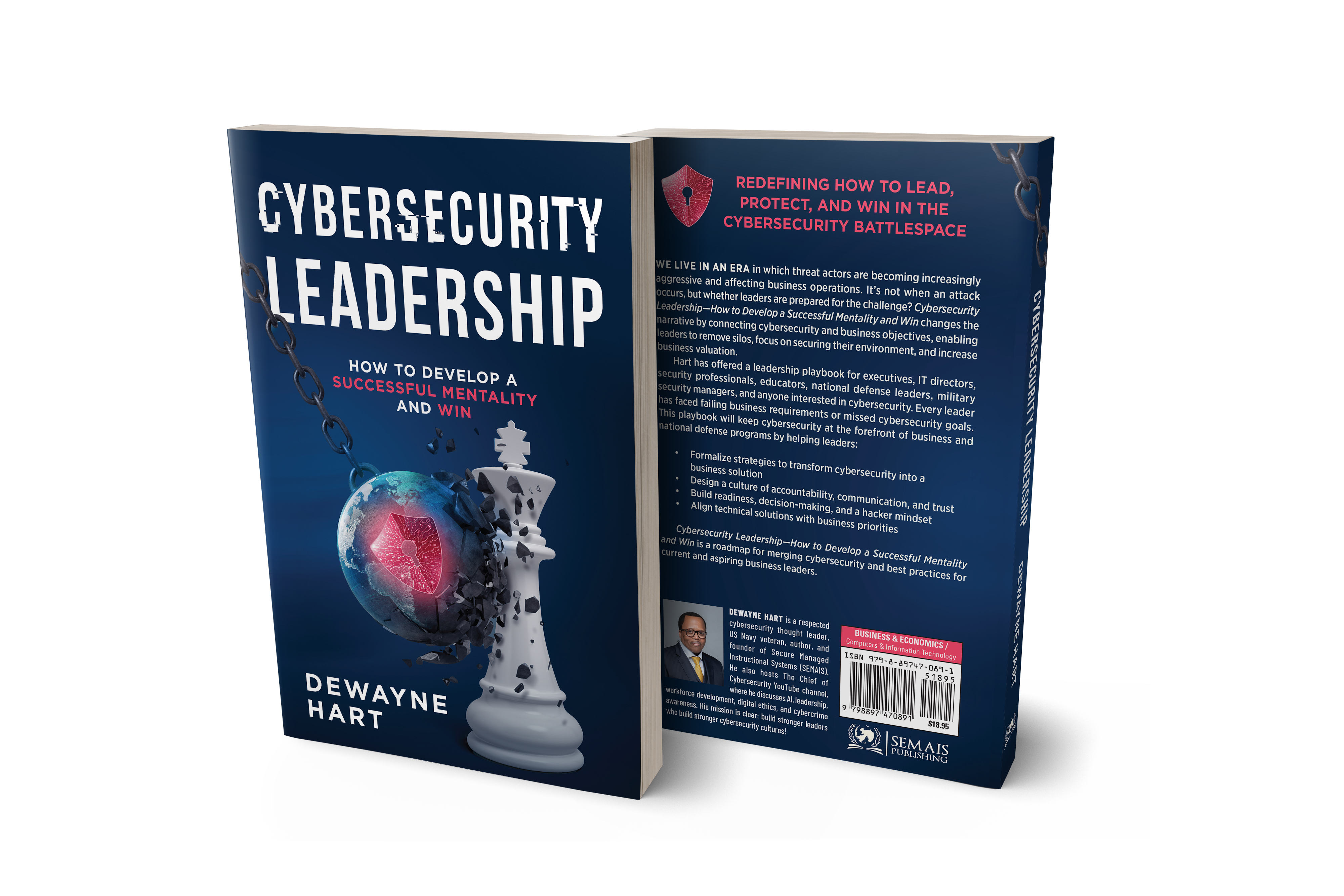
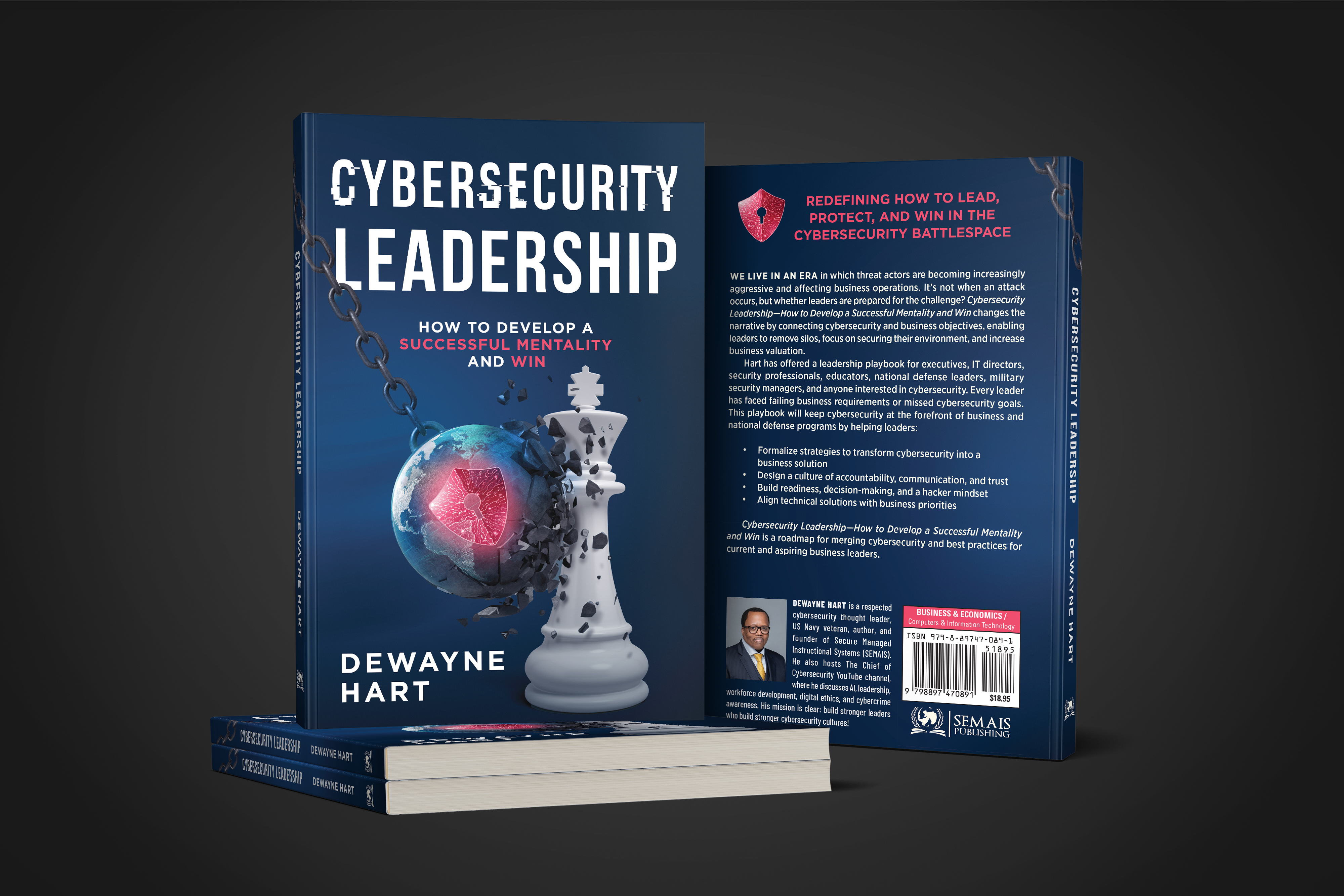
Forget everything you think you know about cybersecurity leadership. Most programs stumble because they lack the discipline that military precision cybersecurity demands. You’ll learn how clear command intent, battle-tested procedures, and rigorous after-action reviews accelerate incident response, mature Zero Trust, and tie resilience metrics directly to board-level outcomes using NIST CSF 2.0. This is the leadership-first model your team needs to build true cybersecurity resilience. Learn more about this transformation by visiting this link.
Military Precision in Cybersecurity
The digital world requires military-level discipline to manage increasing threats. How can we apply military tactics to cybersecurity for better defense?
Command Intent for Cyber Objectives
Your team must know the mission’s goal. This clarity in command empowers them to act swiftly and decisively. In cybersecurity, this means everyone knows the core objectives: protect data and ensure system integrity. By setting clear goals, your team can navigate threats effectively. For instance, a bank might focus on preventing data breaches. This singular focus helps the team prioritize tasks and resources effectively.
Breaking it down: establish clear intent, communicate goals, and empower your team to act with purpose. This approach aligns all efforts towards a common end, reducing confusion and increasing effectiveness.
Standard Operating Procedures to Playbooks
Standard procedures are like recipes: they guide actions and ensure consistency. In cybersecurity, playbooks serve this purpose. They provide step-by-step instructions to tackle threats. For example, a playbook might detail how to respond to a phishing attack. With clear steps, your team can act without hesitation during a crisis.
Playbooks need regular updates. As threats evolve, so should your strategies. This keeps your team ready for anything. Regular training on these playbooks ensures everyone knows their role and can execute flawlessly.
Battle Drills for Incident Readiness
Think of battle drills as practice runs. They prepare your team for real-world scenarios. By simulating cyberattacks, you identify weaknesses in your defenses. A company might run drills quarterly to test response times and strategies. This proactive approach minimizes damage when real threats arise.
Regular drills build confidence. They ensure that your team knows exactly what to do when under attack. It’s about preparation, not panic. Through constant practice, your team becomes adept at managing incidents swiftly and efficiently.
Strengthening Executive Cyber Leadership
While military precision sets the groundwork, leadership ensures lasting success. How can leaders harness these principles to drive cyber resilience forward?
OODA Loop in Threat Operations
The OODA loop—Observe, Orient, Decide, Act—is a proven military strategy. In cybersecurity, it helps teams quickly assess threats and respond. Observing involves gathering data. Orienting means understanding that data in context. Then, decide on the best course of action. Finally, act swiftly to neutralize threats.
This loop is continuous. As new threats emerge, your team cycles through these steps. It ensures a dynamic and agile response to evolving cyber challenges.
After-Action Review for Continuous Improvement
After-action reviews (AARs) are essential. They evaluate what went well and what needs improvement after an event. In cybersecurity, this might mean analyzing a recent breach. What were the strengths? Where can you improve? These reviews lead to actionable insights, refining your strategies over time.
Frequent AARs create a culture of learning. They encourage your team to see mistakes as opportunities for growth. This mindset is crucial for improving defenses and enhancing overall cybersecurity posture.
Force Readiness and Workforce Discipline
Readiness is key. Your team must be prepared for any threat. Discipline ensures they follow protocols without deviation. Regular training sessions keep skills sharp. They also instill a sense of responsibility and commitment to cybersecurity principles.
Your workforce is your first line of defense. By fostering discipline and readiness, you ensure they’re equipped to handle any challenge. This approach builds a resilient cybersecurity culture that stands firm against threats.
Aligning Cyber Risk to Business Outcomes
Effective cybersecurity isn’t just about defense; it’s about aligning with business goals. How can we tie cyber strategies to organizational success?
NIST CSF 2.0 and Zero Trust Strategies
The NIST CSF 2.0 framework offers a structured approach to cybersecurity. It emphasizes identifying, protecting, detecting, responding, and recovering from threats. Zero Trust, on the other hand, assumes threats are always present. It requires verifying every user and device attempting access.
Together, these strategies create a robust defense. Implementing them ensures all aspects of security are covered. They align closely with business objectives by protecting critical assets and ensuring operational continuity.
Board-Level Resilience Metrics
Metrics matter. They provide insight into your organization’s cyber resilience. Key metrics might include time to detect and respond to threats. These numbers offer a clear picture of your current state and areas needing improvement.
By presenting these metrics to the board, you highlight the importance of cybersecurity. This transparency fosters support and ensures alignment with business goals. It turns cybersecurity from a cost into an asset that drives organizational success.
Security Culture and Behavior Transformation
Culture is the backbone of any effective cybersecurity strategy. It’s not just about technology; it’s about people. Fostering a culture where security is everyone’s responsibility transforms behavior organization-wide.
Start with education. Regular workshops and training sessions reinforce security best practices. Encourage open communication about potential threats. When everyone feels responsible for cybersecurity, your defenses strengthen naturally. The result is a proactive, rather than reactive, stance against cyber threats.
In conclusion, integrating military precision into cybersecurity offers clear advantages. From command intent to continuous improvement, these principles build a resilient defense. Aligning cybersecurity with business objectives ensures long-term success and fosters a culture of security that stands firm against evolving threats.
