


How Cyber Leadership Creates a Culture of Care and Resilience
Cybersecurity culture isn’t just about firewalls and alerts—it’s about people. When leaders prioritize care and resilience, they build teams ready to face threats head-on and bounce back faster. This post breaks down how executive cyber leadership shapes a human-centered cybersecurity approach that reduces risk and powers recovery. You’ll get clear strategies from Dewayne Hart’s proven playbook to lead with confidence and drive lasting security results. Read more about transparent company culture and cybersecurity resilience.
Building a Cybersecurity Culture
Creating a robust cybersecurity culture begins with understanding that technology alone can’t solve all issues. It’s about the people behind the screens. Prioritizing psychological safety and human-centered approaches can significantly reduce risks.
Fostering Psychological Safety
Psychological safety is a game-changer in cybersecurity. When your team feels safe to voice concerns and report errors, you create a foundation for continuous improvement. Think about it—most people hesitate to admit mistakes for fear of blame. But in cybersecurity, hiding mistakes can lead to greater risks.
-
Open Communication: Encourage team members to share insights without fear. This openness reduces errors and builds trust.
-
Supportive Environment: Create a culture where learning from mistakes is valued. This mindset shifts your team from fear-based responses to proactive problem-solving.
Consider a company where employees felt empowered to report phishing attempts without backlash. The result? A significant reduction in successful attacks due to quick, collective action.
Encouraging Human-Centered Cybersecurity
Human-centered cybersecurity places people at the forefront of security strategies. It’s not just about the numbers; it’s about the individuals who manage and respond to threats. By focusing on the human element, you can foster a more resilient defense system.
-
Empathy in Policies: Craft policies that consider human behavior. When rules align with natural human actions, compliance increases.
-
Training and Support: Provide ongoing education that empowers your team with current knowledge. This not only boosts morale but also reinforces the importance of their role.
When you prioritize people, you nurture an environment that naturally enhances security posture. This is a core principle in Dewayne Hart’s The Cybersecurity Mindset.
Resilient Cybersecurity Strategies
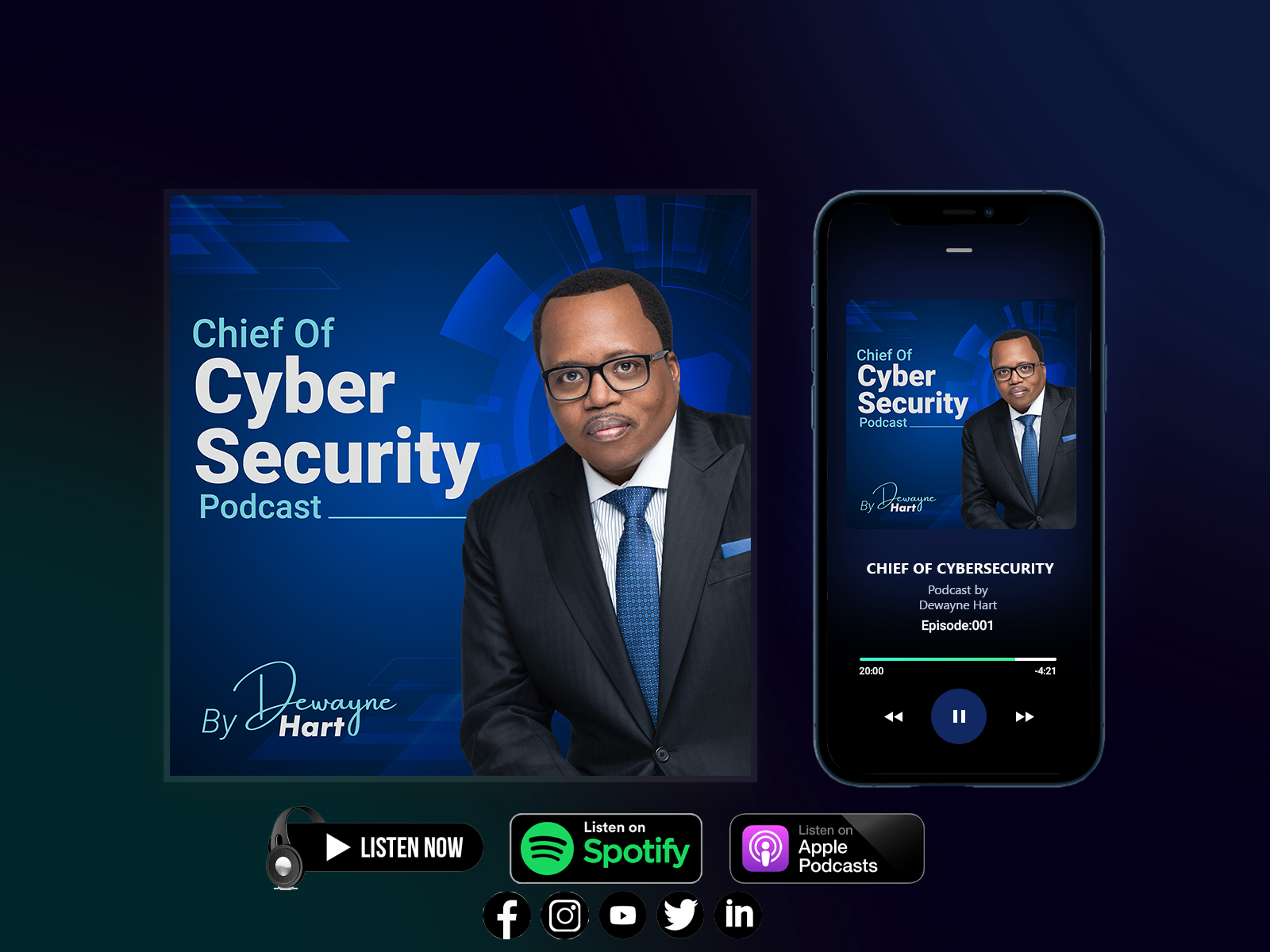
Transitioning from a people-focused culture, let’s explore strategies that enhance resilience. Implementing a zero trust culture and boosting incident readiness are pivotal.
Implementing Zero Trust Culture
Zero trust isn’t just a buzzword; it’s a strategic shift. It assumes that threats exist both outside and inside your network. So, every access request is verified, regardless of origin. Sounds rigorous, right? But it works.
-
Continuous Verification: Always verify user identities and device statuses. This adds layers of security.
-
Least Privilege Access: Grant the minimum level of access necessary for tasks. This limits potential damage from breaches.
A company that adopted zero trust reported a 30% decrease in unauthorized access incidents. This approach aligns with a broader adaptive cybersecurity strategy, ensuring your defenses are always a step ahead.
Enhancing Incident Readiness and Recovery
Incident readiness is about preparation and quick recovery. The faster you bounce back, the less impact an attack has. It’s like having a fire drill plan—you hope you never use it, but you’re ready if you do.
-
Regular Drills: Conduct simulated attacks to test response times and effectiveness. This practice keeps your team alert and prepared.
-
Clear Protocols: Ensure every team member knows their role during an incident. Clear instructions reduce chaos and improve response efficiency.
Organizations that prioritize incident readiness see faster recovery times and less operational disruption. Dewayne Hart’s strategies emphasize the importance of preparedness in achieving long-lasting cyber resilience.
Leadership for Long-term Resilience

Building long-term resilience requires strong leadership. Executive tactics and decision-making processes like the OODA loop are instrumental.
Executive Cyber Leadership Tactics
Effective cyber leadership involves more than just technical know-how. It requires strategic vision and the ability to inspire action across the organization.
-
Visionary Leadership: Set a clear, inspiring vision for your cybersecurity goals. This clarity motivates your team to align efforts.
-
Empowerment: Delegate authority and empower your team to make decisions. This trust fosters a proactive security culture.
Leaders who adopt these tactics often see improved team morale and efficiency. Dewayne Hart’s Cybersecurity Leadership book provides further insights into developing a successful leadership mentality.
OODA Loop Decision-Making in Action
The OODA loop—Observe, Orient, Decide, Act—is a decision-making process that enhances agility and response. Developed by military strategist John Boyd, it emphasizes quick, informed actions.
-
Observation: Gather real-time data on threats. This informs your next steps.
-
Orientation: Analyze data to understand the threat landscape. Adjust strategies accordingly.
Implementing the OODA loop can drastically improve your organization’s ability to respond to cyber threats. It’s about staying ahead and adapting quickly, a theme central to Hart’s military-to-cyber transition narrative.
In conclusion, building a resilient cybersecurity culture requires a blend of people-focused strategies, robust defensive measures, and strong leadership. By adopting these approaches, you can create an environment that not only withstands cyber threats but thrives in the face of them.